



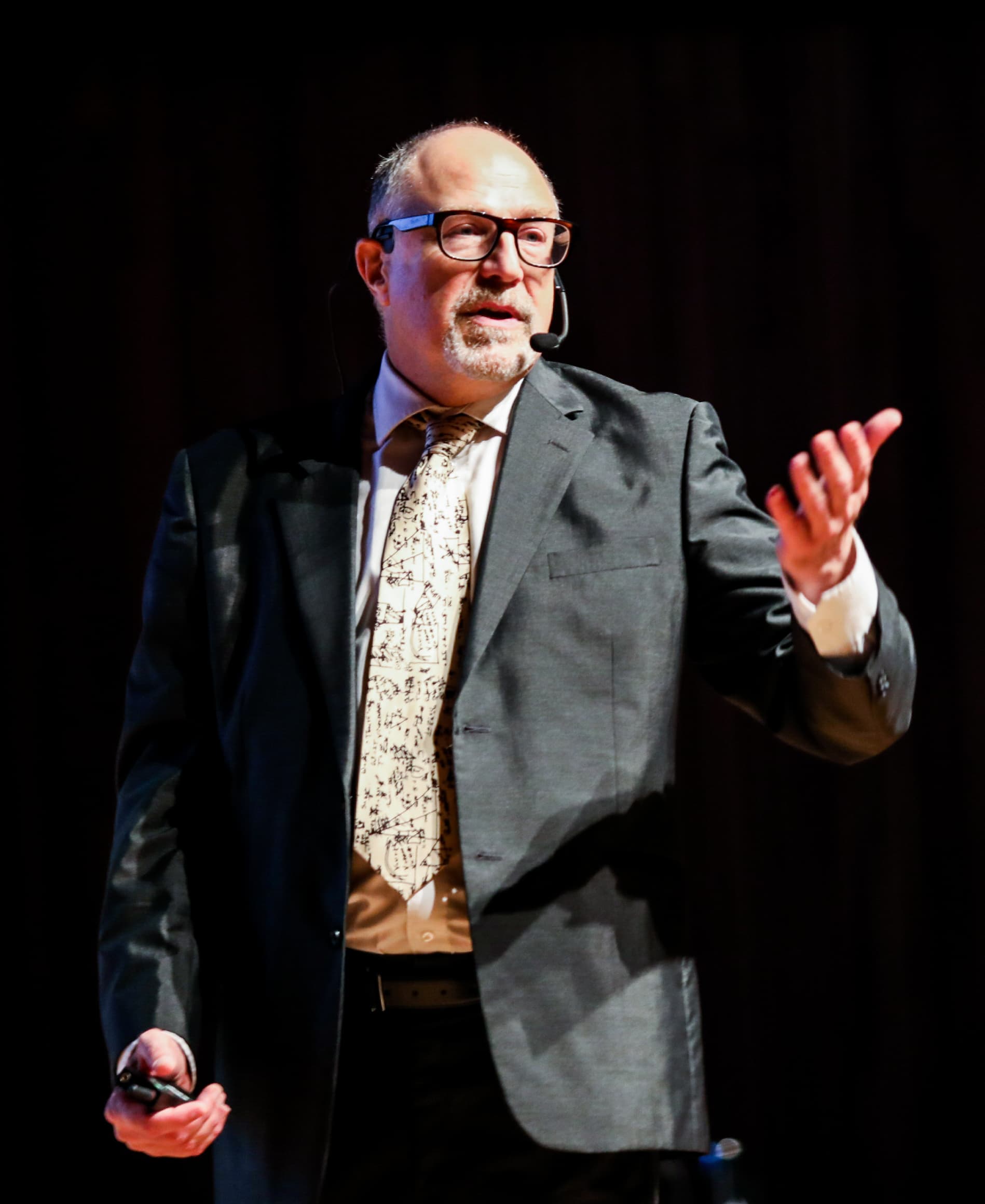
Philosopher of collective intelligence and cyberculture. Full professor at the University of Ottawa from 2002 to 2019, where he held the Canada Research Chair in Collective Intelligence.
LinkedInPierre Lévy
Collective intelligence and cyberculture

Official congress of theBehavioral Science Lab at FEA-USP
19–20 May 2027 · FEA-USP, São Paulo



The Human Factor
in the Exponential World
Two days at FEA-USP to discuss human behavior, artificial intelligence and the future of work.
A discount on the first registration batch for everyone who pre-registers.
May 2027Save the date
The meeting
Research and practice meet to understand how we decide, relate and work in a world that is changing faster and faster.
18 — 20 May 2027
See the themes and plan your days at the congress.
Times in Brasília. The agenda may change; pending appearances are marked.
Tuesday ·
At FEA-USP, the day before the congress opens. Times and sessions will be announced soon.
Wednesday ·
FEA-USP Board
Participation to be confirmed
Fernando de Almeida · BELS coordinator
Véronique Moncada
Time to be confirmed
Speaker to be confirmed
Sheila Najberg
Participation to be confirmed
Speaker to be confirmed
Renato Santos
Participation to be confirmed
FEA rooms
Thursday ·
Fernando de Almeida · BELS coordinator
Pedro Shiozawa
Time and second participation to be confirmed
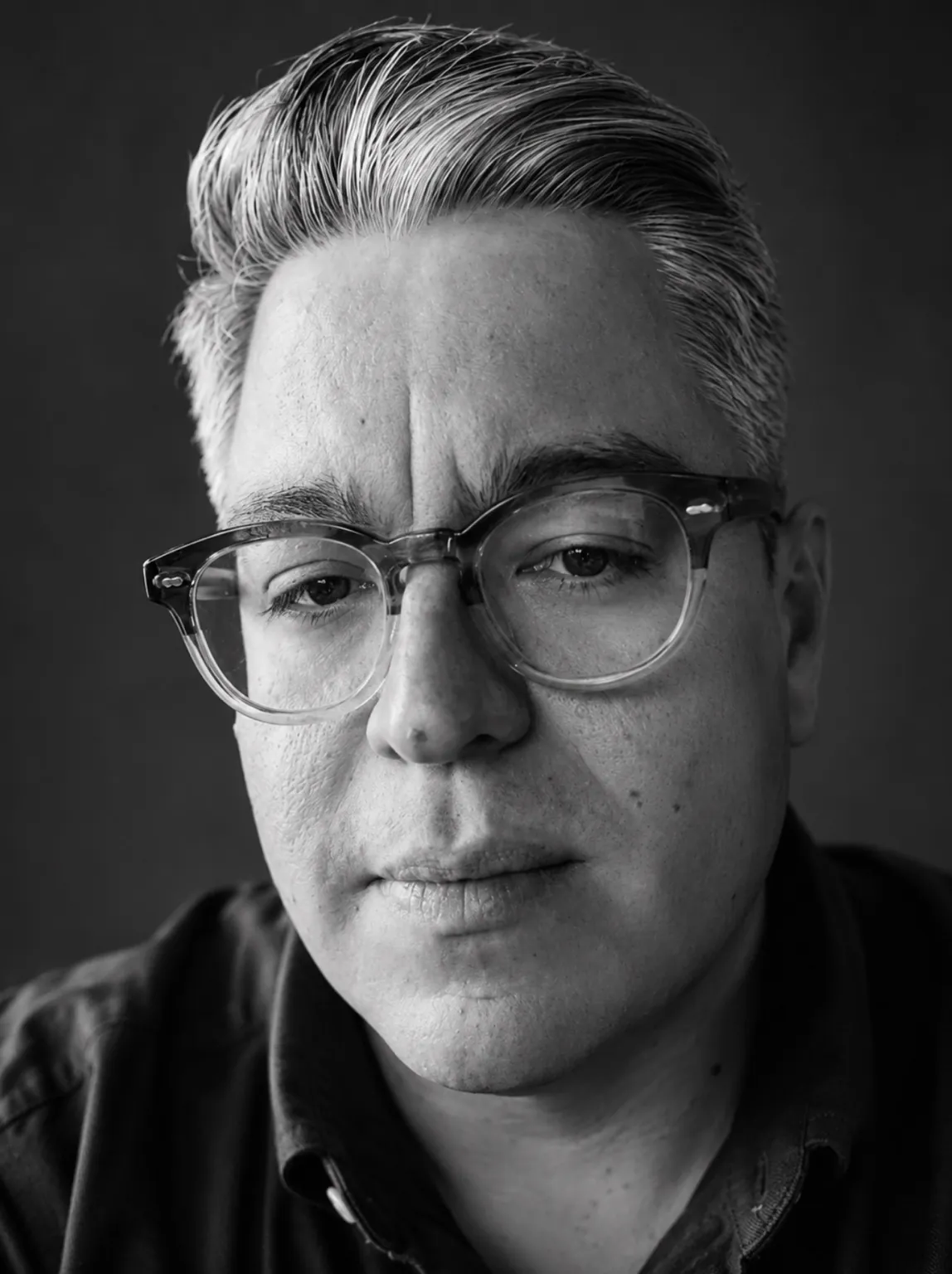
Nabil Arida
Time to be confirmed
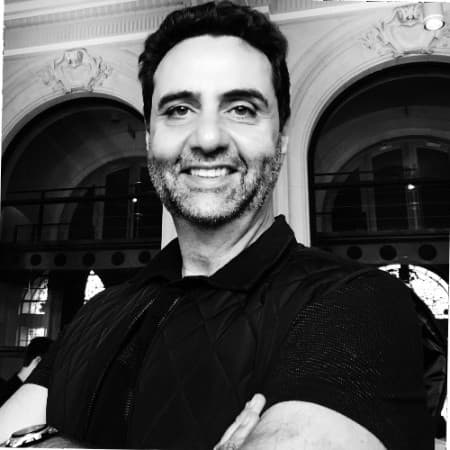
Speaker to be confirmed
Cesar Hidalgo · Toulouse School of Economics
Participation to be confirmed
Victor Carrión · Stanford
Online participation and time to be confirmed
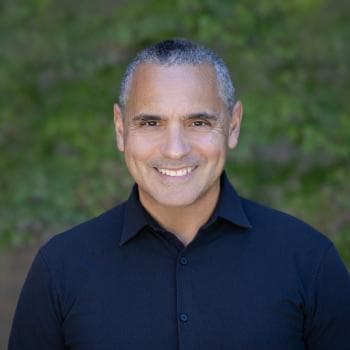
Speaker to be confirmed
Topic and speaker to be confirmed
Fernando de Almeida · BELS coordinator
Fernando de Almeida · BELS coordinator
Registration does not cover lunch or workshop expenses.
Philosopher of collective intelligence and cyberculture. Full professor at the University of Ottawa from 2002 to 2019, where he held the Canada Research Chair in Collective Intelligence.
LinkedInCollective intelligence and cyberculture
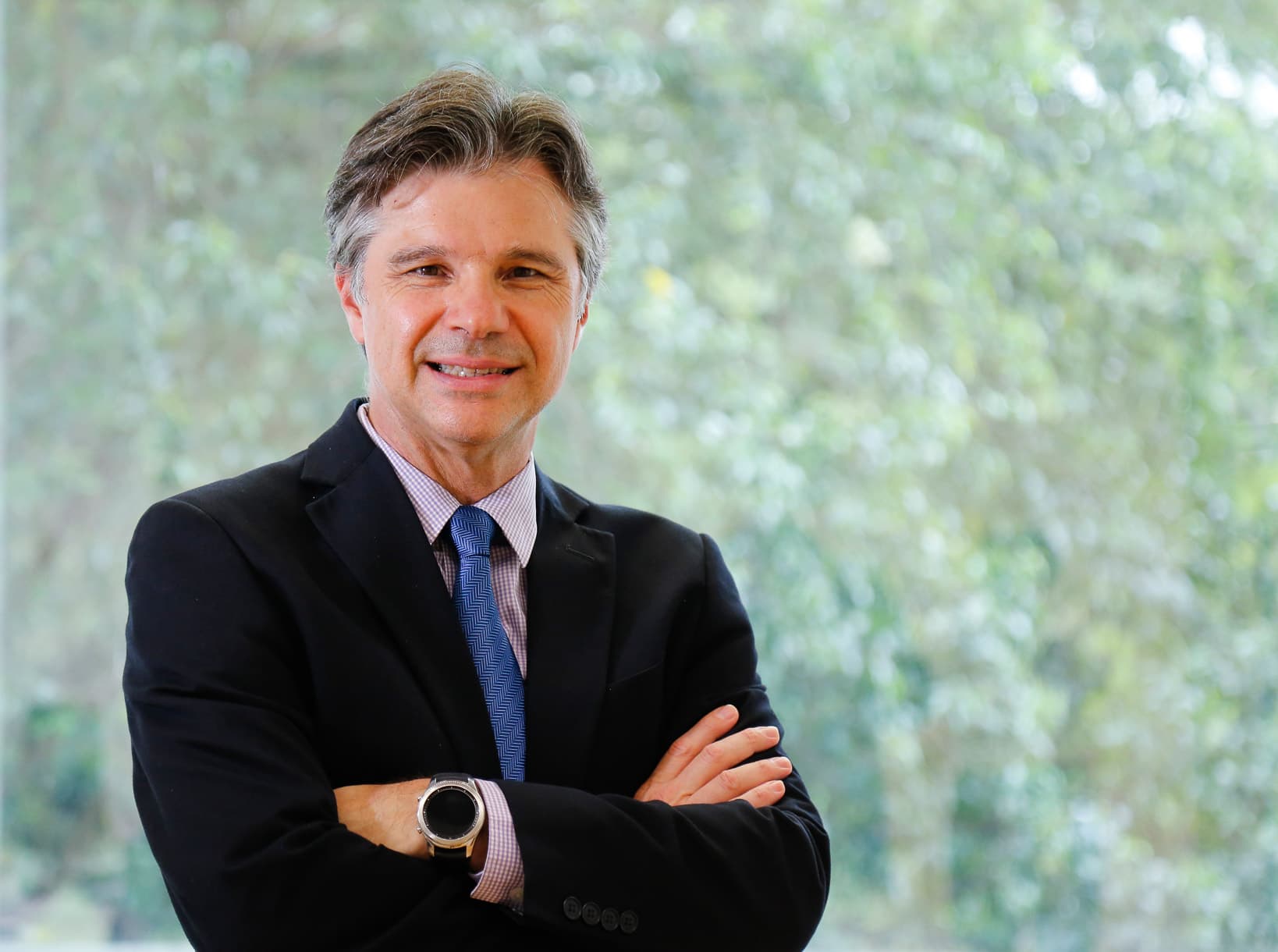
Professor at FEA-USP. He holds degrees in Business Administration and Accounting from FEA-USP, a master’s and a doctorate in Business Administration from USP, and a livre-docência from the same faculty. His research covers strategy, business networks and stakeholders.
LinkedInStrategy and organizations · FEA-USP
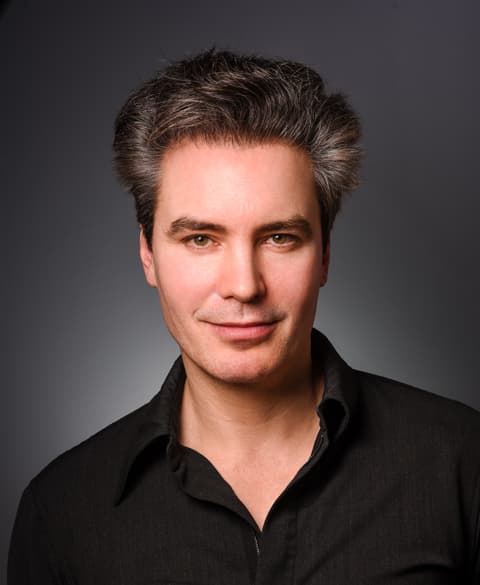
Associate professor (livre-docente) at UNIFESP. He leads research on decision-making and neuromodulation at the Interdisciplinary Laboratory of Clinical Neurosciences at EPM-UNIFESP.
LinkedInNeuroscience and behavior
Engineer from the Escola Politécnica da USP and advertising graduate from ECA-USP. Graduate professor at USP and consultant in marketing and innovation strategy.
LinkedInMarketing and consumer behavior
Executive director of the Mediterranean Network of Engineering & Management Schools. She was director of international development at IAE Aix-Marseille and teaches intercultural management in master’s and MBA programs.
LinkedInMediation and international dialogue

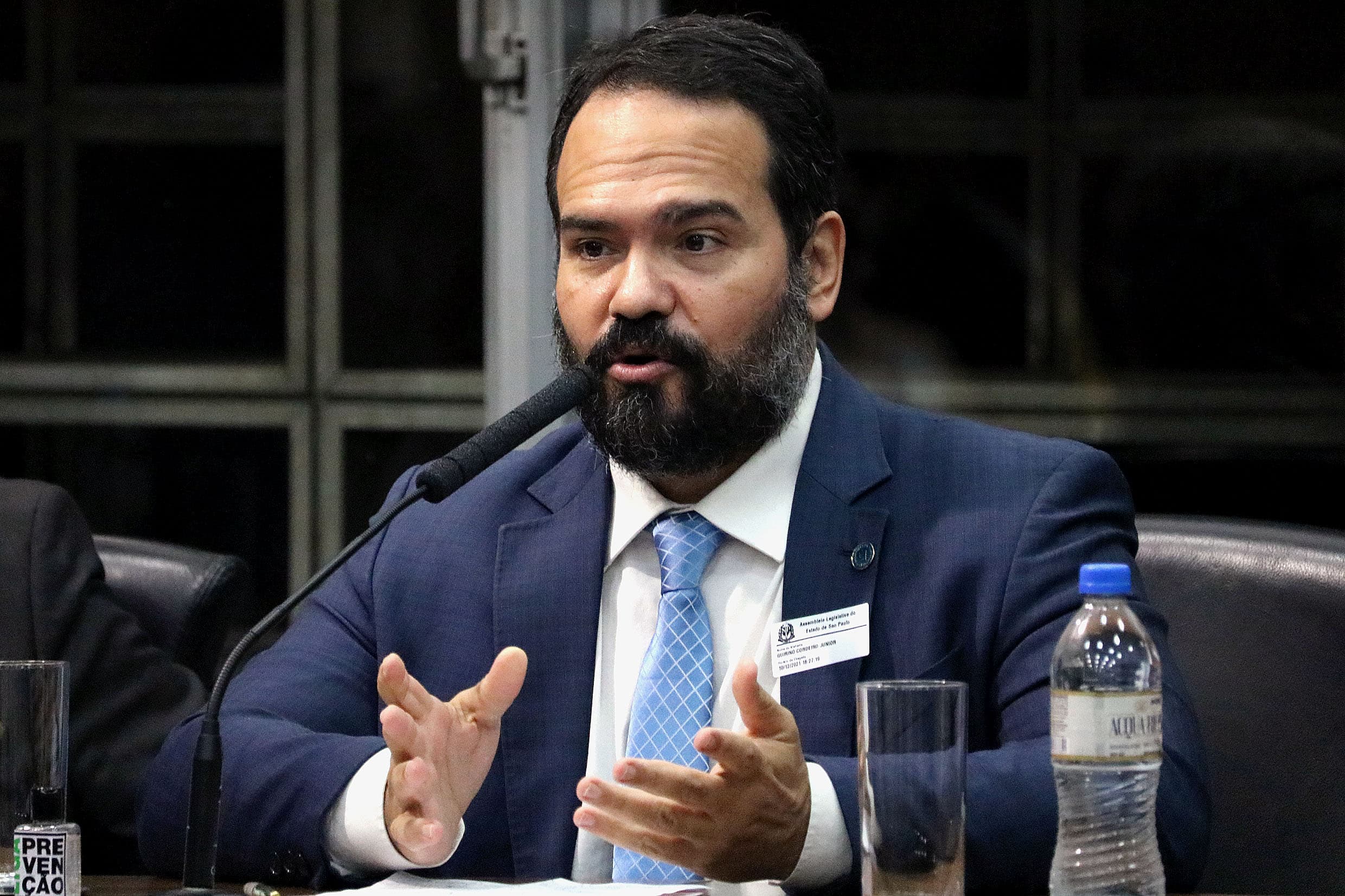
Adjunct professor in the Department of Psychiatry at EPM/UNIFESP. Physician trained at FMUSP, with a psychiatry residency at Hospital das Clínicas da FMUSP and a doctorate in psychiatry from FMUSP.
LinkedInPsychiatry and mental health

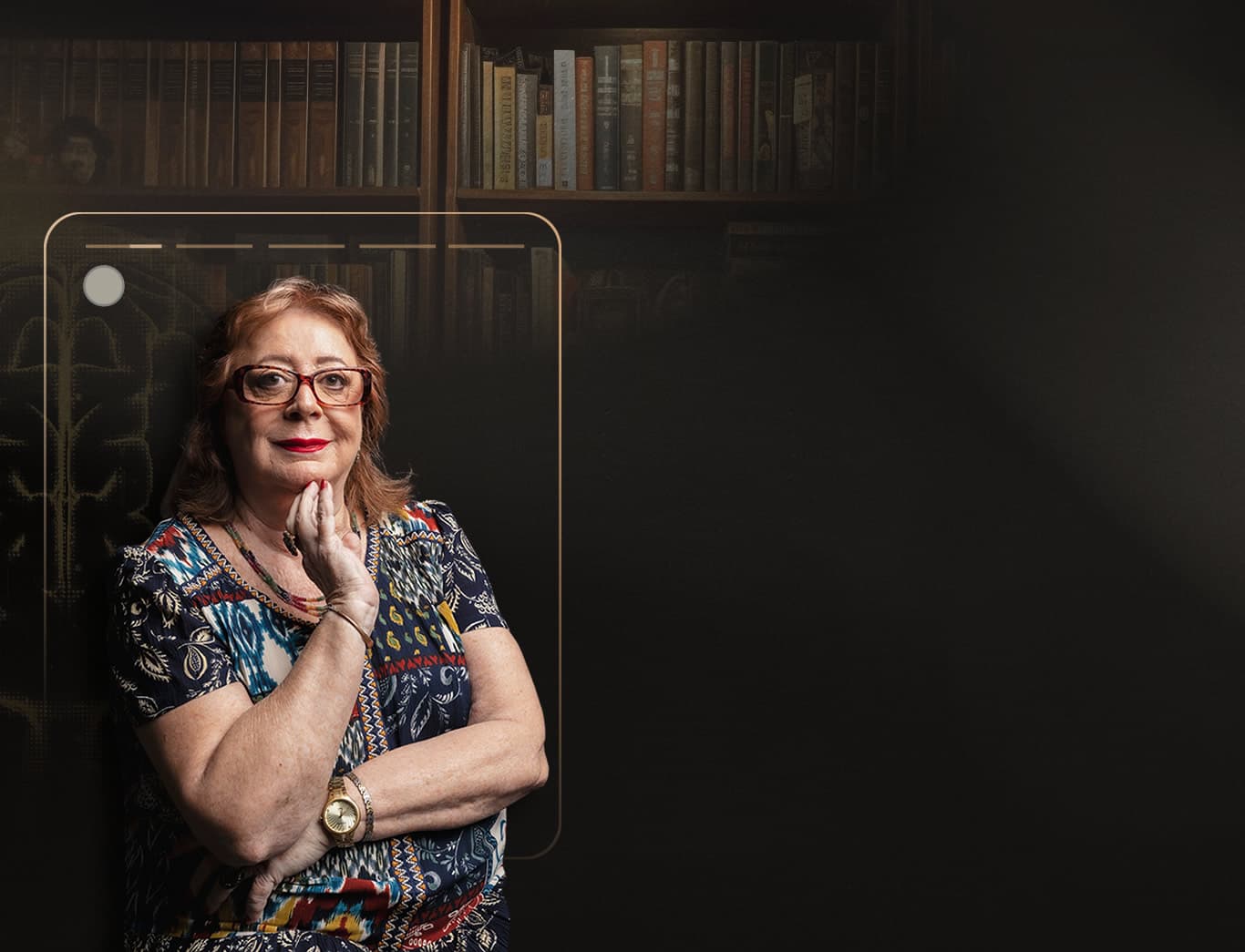
Physician, with a master’s in health psychology and a doctorate in psychiatry from USP. Psychiatrist at CAISM of the Irmandade da Santa Casa de Misericórdia de São Paulo, working in forensic psychiatry.
Psychiatry and human behavior
Psychiatrist at CAISM of Santa Casa de São Paulo and professor in the Department of Psychiatry at the Faculdade de Ciências Médicas da Santa Casa. Chief scientist and cofounder of Great People Mental Health.
LinkedInPsychiatry and mental health · Scientific Director at GPMH

Psychiatrist and professor of Psychiatry and Behavioral Sciences at Stanford University, where he is vice-chair of the department and directs the Stanford Early Life Stress and Resilience Program. His research examines how early-life stress affects brain development, with a focus on child and adolescent psychiatry.
LinkedInProfessor of Psychiatry · Stanford

Pierre Lévy: Fronteiras do Pensamento / Erick Salves, source, CC BY-SA 2.0. Full photograph, shown with a monochrome filter.
João Maurício Boaventura: Cecília Bastos / USP Imagem, 2022 · FEA-USP. Quirino Cordeiro: Marco A. Cardelino / Alesp · source, CC BY 4.0. Full photographs, shown with a monochrome filter.
Other portraits: Álvaro Machado Dias, MBWay, RMEIM, Hilda Morana, Stanford Medicine and GPMH.
Earlier editions. Miguel Nicolelis: Duke University. Cass Sunstein: Matthew W. Hutchins / Harvard Law Record, source, CC BY 3.0. David Laibson: Larry D. Moore, source, CC BY 4.0. Matthew Jackson: Stanford University. Alex Edmans: London Business School. Juliana Rodrigues, Manuel Krauss and Fabrício Moraes: personal archive / courtesy. Portraits shown with a monochrome filter.
Earlier editions
Researchers and practitioners who took part in earlier editions of the meeting.
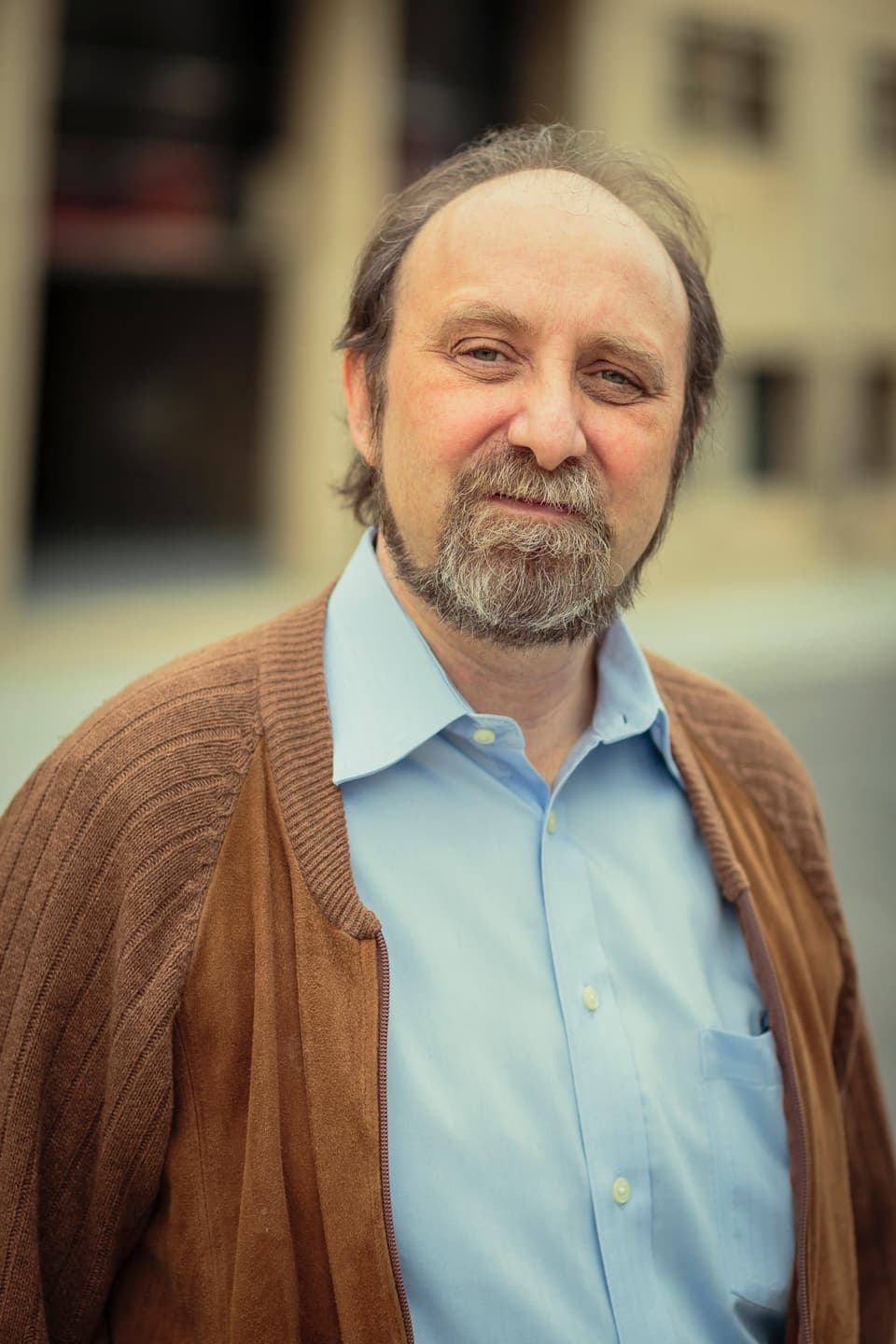
Professor Emeritus of Neurobiology at Duke University and founder of the Instituto Santos Dumont, whose board he returned to chair in 2026.
Duke UniversityV BELS · 2025
Neuroscience

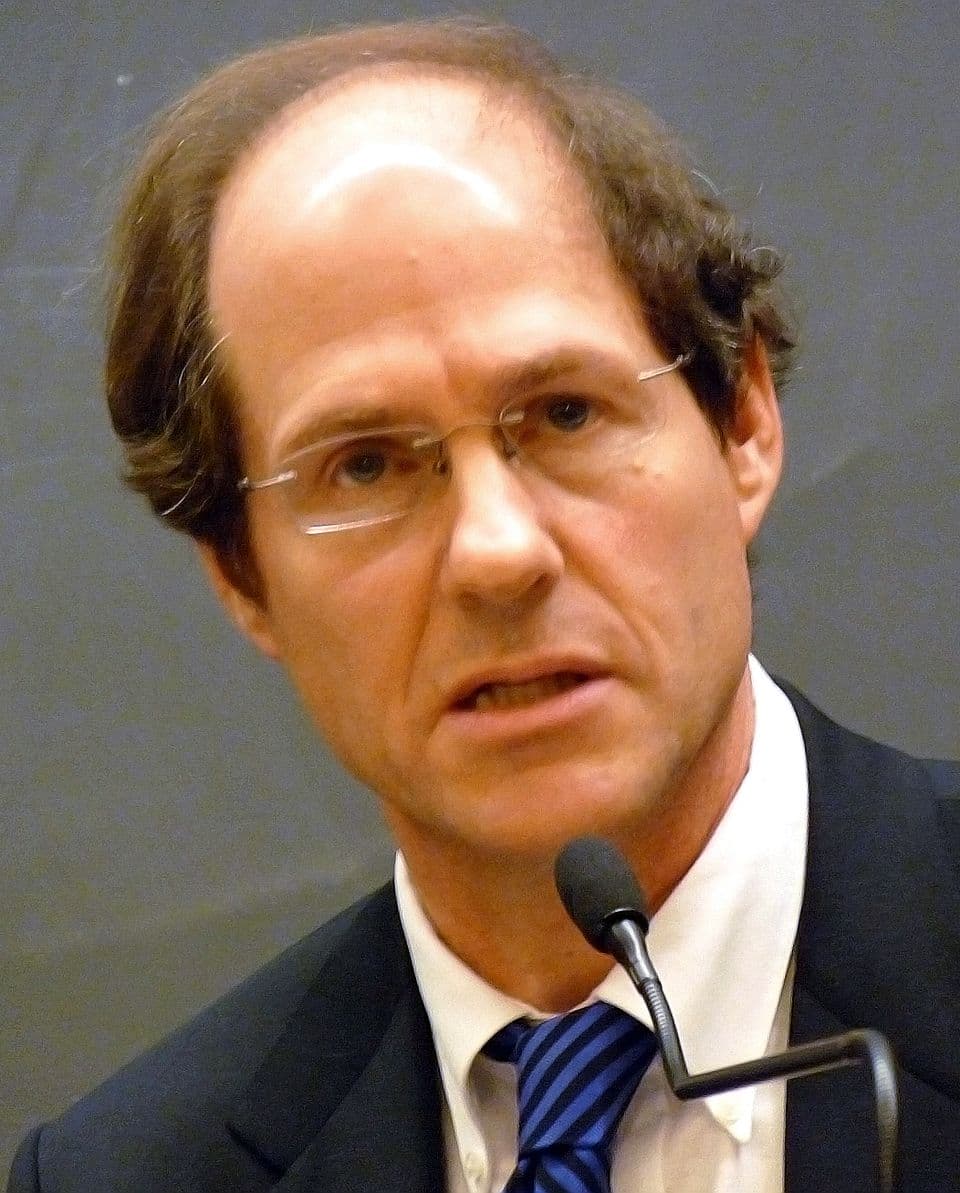
Robert Walmsley University Professor at Harvard University and founder of the Program on Behavioral Economics and Public Policy at Harvard Law School.
Harvard Law SchoolV BELS · 2025
Behavioral economics
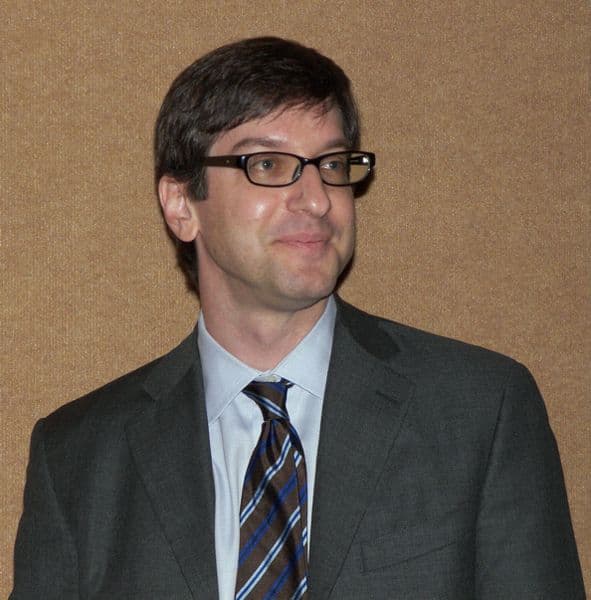
Robert I. Goldman Professor of Economics at Harvard University. His research focuses on behavioral economics, especially intertemporal choice and household finance.
HarvardVI BELS · 2026
Harvard University
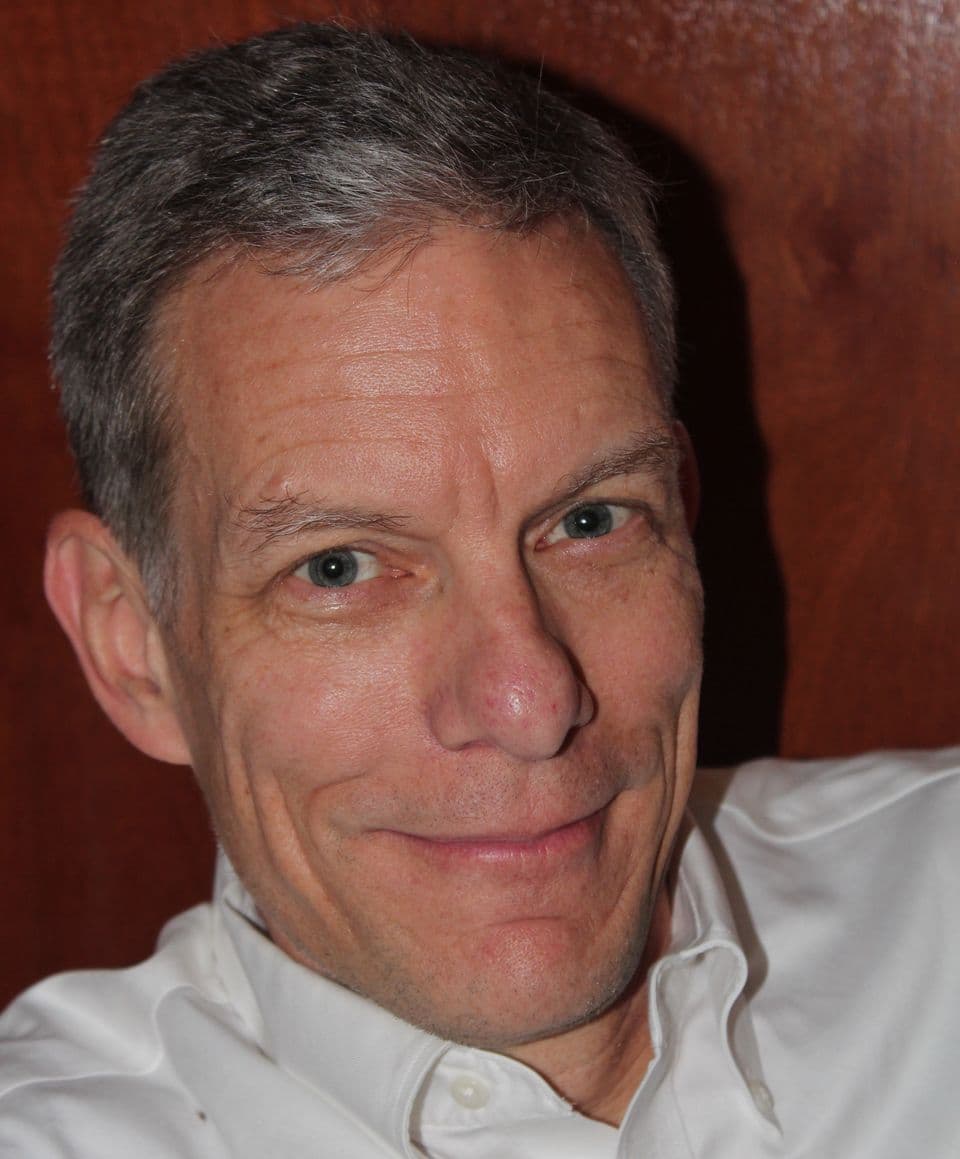
William D. Eberle Professor of Economics at Stanford University. His research covers game theory, microeconomic theory, and social and economic networks.
StanfordVI BELS · 2026
Stanford University
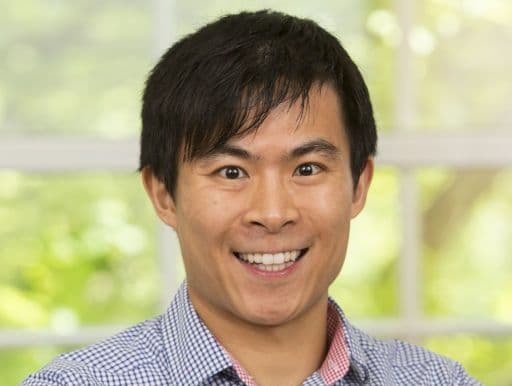
Professor of Finance at London Business School, working on corporate finance, sustainable investing, and behavioural finance. He is the author of May Contain Lies.
London Business SchoolVI BELS · 2026
London Business School

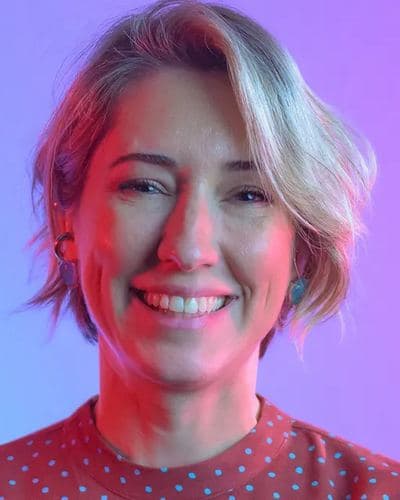
Human Resources leader for Accenture in Brazil, with more than twenty years of experience in people management and organizational transformation in Latin America.
VI BELS · 2026
HR leader, Brazil · Accenture

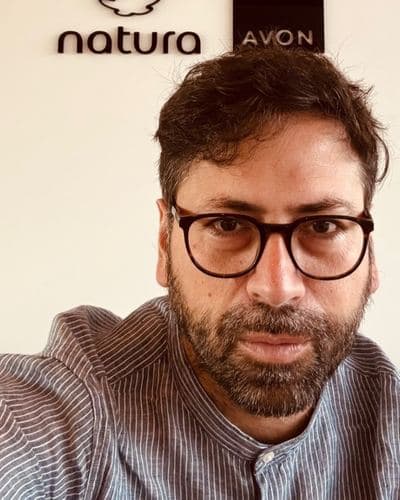
Executive director of Research, Development and Innovation at Natura, leading the innovation agenda built on Amazonian bioingredients.
LinkedInVI BELS · 2026
R&D and Innovation director · Natura

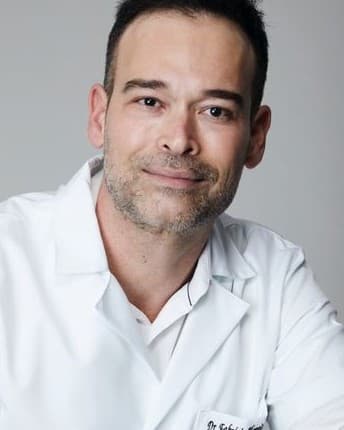
Medical manager at General Electric. At VI BELS, he joined Laura Castellano on the panel about mental health at work.
VI BELS · 2026
Medical manager · General Electric

Since 2021 · FEA-USP
BELS — Behavioral Lab Seminars — brings researchers and practitioners together to discuss how people think, decide and relate. Browse the record of previous editions.
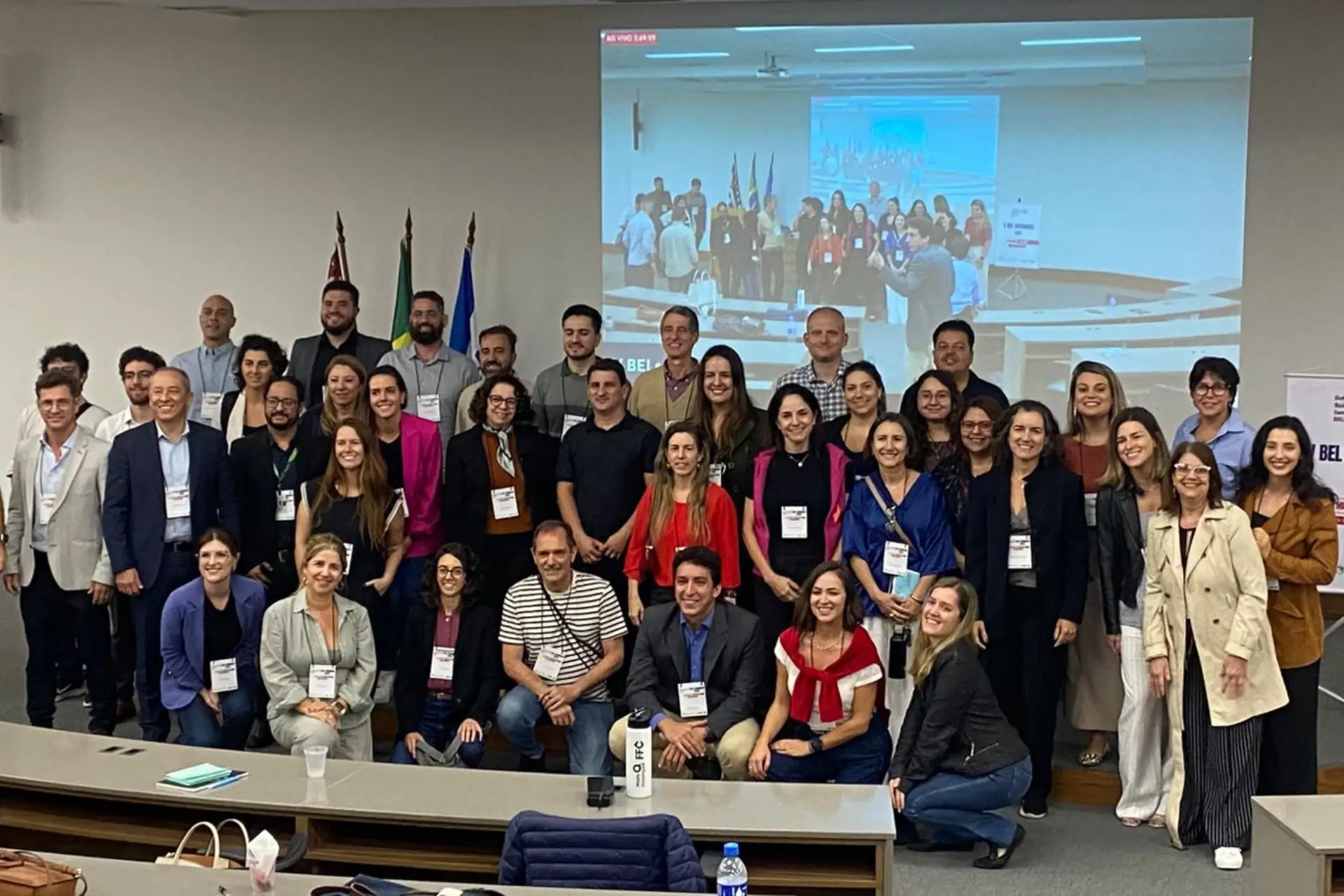
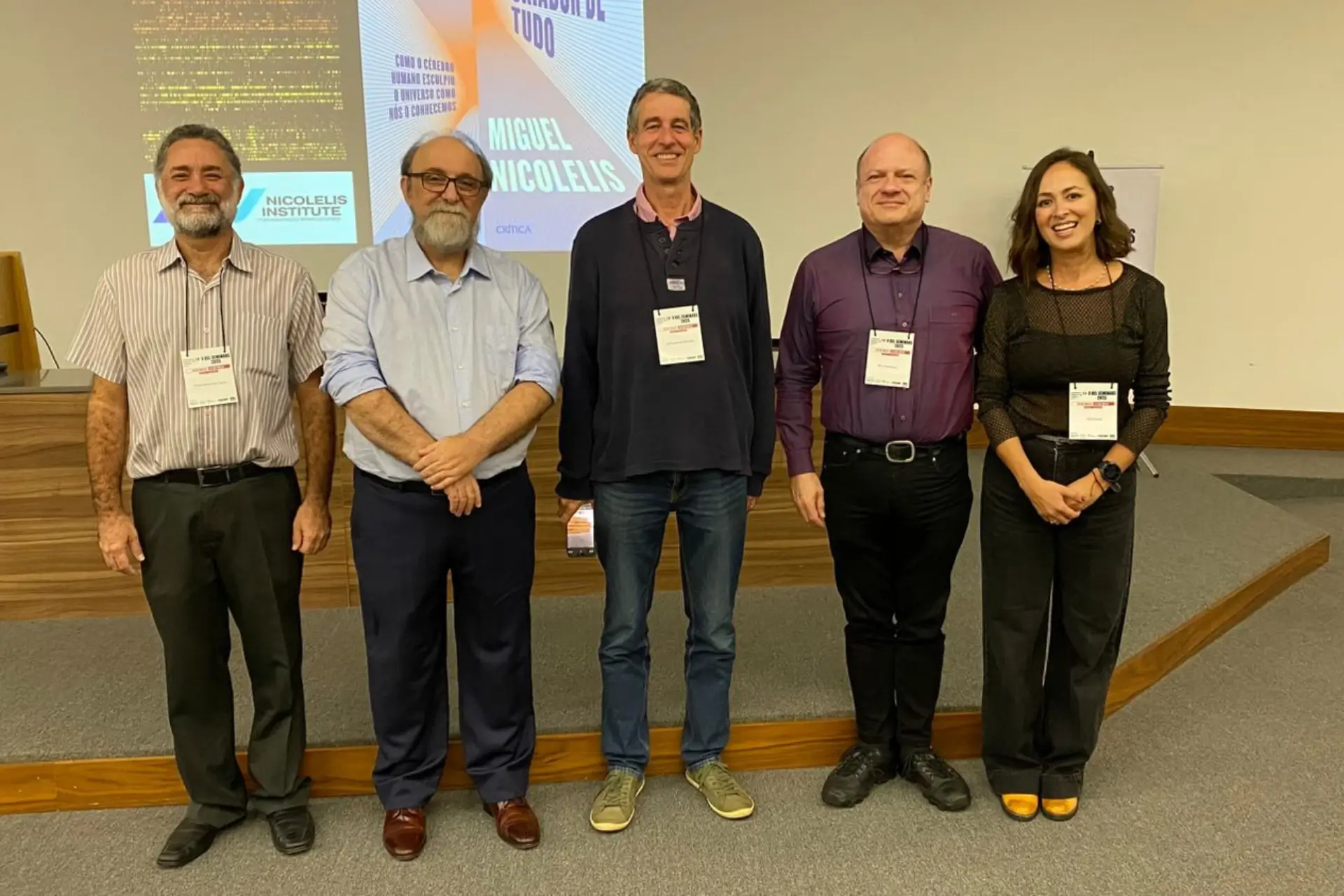
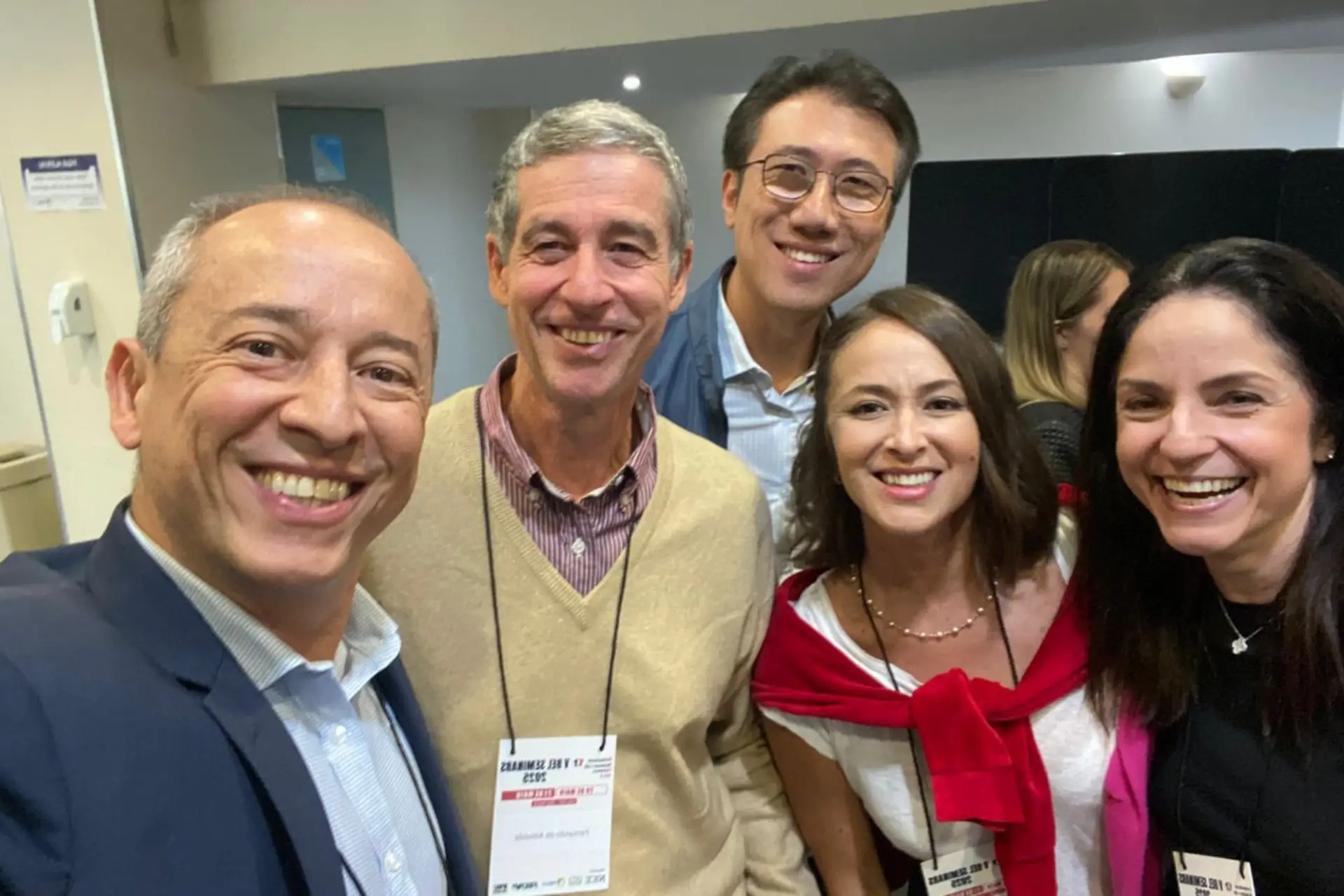
Photographs from the archive published by the Behavioral Science Lab. Click to enlarge.
25–26 May
The first edition, held online.
View proceedings24–25 May
An online meeting of research and practice.
View proceedings30–31 May
Research on behavior and decision-making.
View proceedings21–22 May
A hybrid congress at FEA-USP.
View proceedings20–21 May
An in-person meeting at FEA-USP, also online.
View proceedings26–28 May
FEA-USP, with an online broadcast.
View editionIn 2027, the next meeting is here.19–20 May · VII BELS · FEA-USP
I want to attendYour next meeting is here
Hear from VII BELS and get a discount on the first registration batch.
Questions about the event?
contato@behaviorallab.com.br
Episode 1 · Ruy Shiozawa · 51 min
Watch on YouTube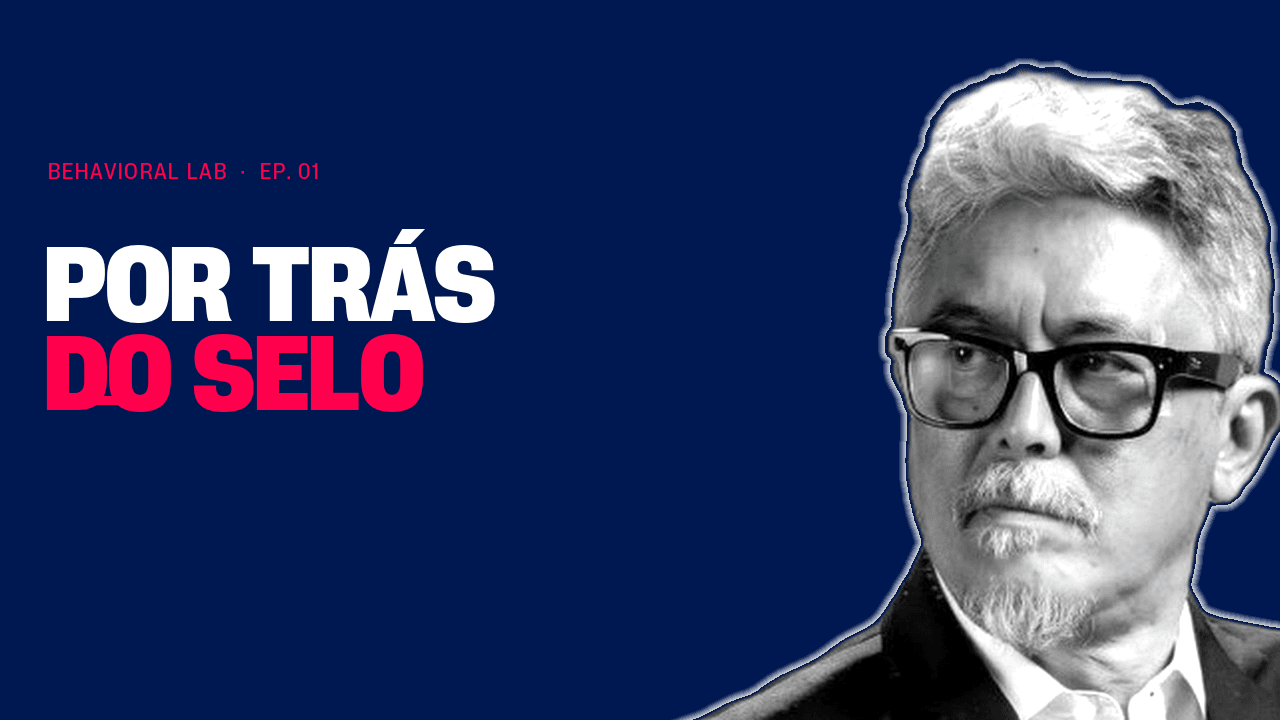
Behavioral Lab FEA USP
Ahead of the congress, the Behavioral Lab at FEA USP hosts live conversations that bring behavioral economics closer to everyday decisions. The sessions have already covered the circular economy, artificial intelligence, information and decision-making, investment, overconfidence, organized crime, inequality and computational thinking.
How behavioral economics can advance the circular economy and create impact in organizations and in society.
A conversation on artificial intelligence, information systems and decision-making.
A conversation about who knows what in the market, across information, decision-making and investment behavior.
A conversation on artificial intelligence and the future.
A conversation on the behavioral economics of organized crime, from money laundering and fraud to social erosion in Latin America.
Pedro Shiozawa
Pedro Shiozawa, a psychiatrist and specialist in applied clinical research at Harvard Medical School, on how neuroscience and artificial intelligence can place mental health at the center of corporate culture and strategy.
A conversation on the power of behavioral economics: understanding people as the skill that moves the world.
A conversation on the power of behavioral economics: understanding people as the skill that moves the world.
A conversation on the power of behavioral economics: understanding people as the skill that moves the world.
Larisse Micuci e Wenner Lucena
Larisse Micuci and Wenner Lucena discuss how overconfidence affects personal and professional decisions.
A conversation on research in the psychology of inequality.
A conversation on computational thinking and human behavior.